The first sense of the word prepper dates to the 1920s in the uk. It refers to someone who attended a preparatory (prep) school, typically elite places of education. These institutions are sometimes called
preppers
themselves.
Skills alone aren’t enough, though. There are also 6 personality traits that are essential to survival. If these are not part of your current mindset, practice them in your everyday life until they become your natural way of doing things. You may find that they improve your day-to-day life even when there is no disaster in sight. 7. Perseverance perseverance is often described as having the steadfastness to do something despite any difficulty in achieving success. “determination” is another good word for this trait. Hard times or not, this is the skill that will give you the will to keep on going no matter what.
Learn more with Plus
Not every one of the preps you stockpile are tangible goods. Stockpiling skills and knowledge should also be a significant part of your survival plan. The more you know how to do, the better your chances of surviving a long-term disaster. The survival skills aspect of your prepping plan should also intensely focus on cross-training all members of your family or mutual assistance group.
 No matter what their age, everyone has something to contribute, and no matter how skilled a group or family member is, there is always something new they can learn or hone. The survival skills prepping inventory list below allows you to keep track of each skill every person in your family or survival tribe currently possesses, their skill level on a scale of 1 to 10, as well as who the person is currently cross-training to learn the skill.
Lighting a fire sounds as easy as can be, and it is, given some practice and the right conditions. But, we all know that disasters don’t necessarily give us the right conditions. There’s no guarantee you’ll be lighting a fire in the comfort of your home in your fireplace or woodstove. You might be lighting a fire with damp, unseasoned wood. You could be dealing with wind and rain. You need to learn multiple methods of starting a fire, know how to use fire-starting aids like the fat rope fire stick , and practice in less than ideal conditions.
Rusty collins article , couch potato , movies , television this post has been updated from our original 50 survival movies post that was first published in 2021. We keep our content updated as the world around us changes, as we learn new skills and techniques, and (of course) when we find more survival and prepping movies. This list is now a little more than 50 movies. Survival movies are a great way to relax, kick back, and be entertained. They also give us an easy way to learn about prepping and survival, just by watching characters map out their decisions when confronted with different survival situations.
1. Learn a second language. Most practical would be the first or second most spoken language in your community or neighbouring communities. This ties in with 2 & 7 on your list. During a short-term shtf scenario, or long-term teotwawki scenario, you never know what human migrations may happen and what language they may speak. Communication is so fundamentally important. There is also advantages in knowing a language that others around you may not. Alternatively, consider learning sign. Very young children can pick it up before they can talk, few people know it (so it can be a private language), and can also be used in noisy place or if hearing is temporary (or permanently) impacted negatively.
Emergency preparedness and prepping checklists for everyone
Prepare to live happily ever after. Be prepared, not scared! happypreppers. Com has been writing emergency preparedness articles for you since 2012 and we thank you for making us a top-rated prepping and survival web site. Prepare to live happily ever after with us. 10 steps to basic preparedness: prepping has become mainstream. Rest assured that you're not a crazy prepper. There are 25 reasonable reasons to prepare ! below are the steps to get started. Step one: ensure you have basic pantry items. Stock up on shelf-stable foods and pantry items such as canned meats; boxed rice, pasta and potato flakes; oatmeal, boxed cereals and breakfast bars, canned sauces, soups, chilis and.
Beginner’s guide to ham radio
You must pass an exam before getting the license, so best prepare for it. You can either use online resources or physical study materials to guide you while preparing. There are three types of licenses: technician — this license allows you to operate on a limited range of frequencies. You can only transmit 100 watts. General — it allows you to operate on a broader range of frequencies. You can transmit 1500 watts. Extra — it allows you to operate on all ham radio bands, and you can transmit 1500 watts. As a prepper, the technician license allows you to communicate with anyone in the world, so that’s all you need.
Home medical supplies list
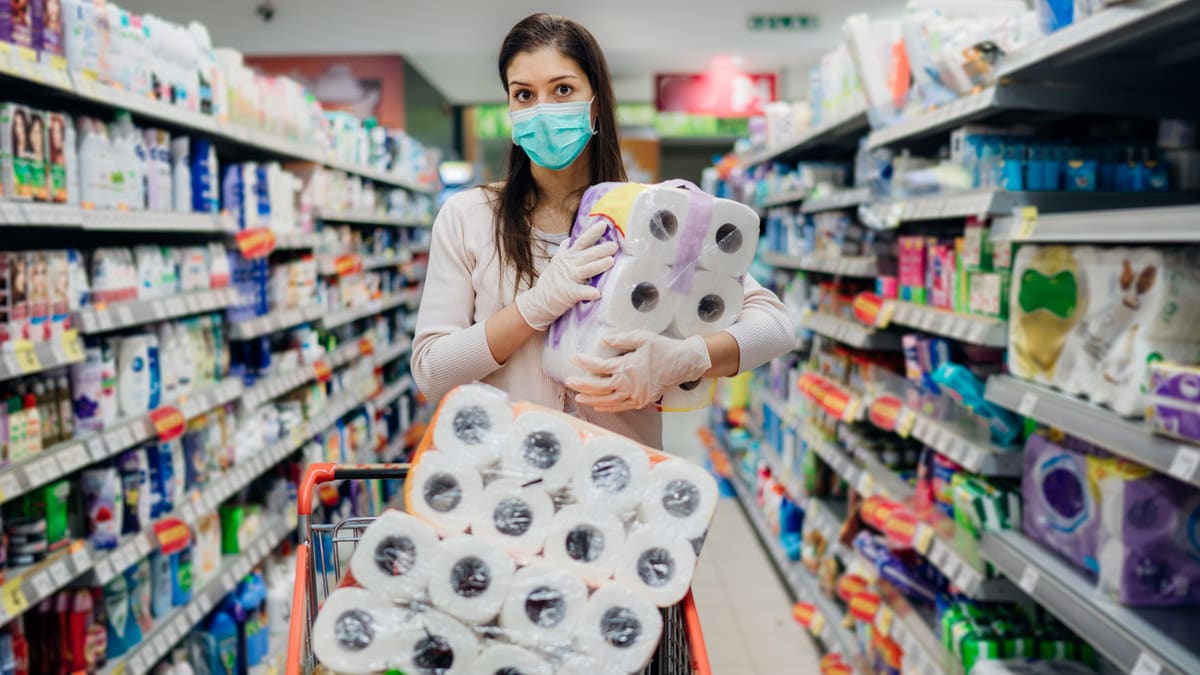
Preppers are more focused on stockpiling supplies in order to survive in an emergency situation. They’re more focused on survival “stuff. ” if a person was to walk into their home, it’d be easier to spot the prepper than a survivalist and the preparations that they’ve made. A prepper is considered more serious as far as preparations go and they will spend more money in the process. Preppers tend to gather enough non-perishable foods, tools, and supplies. This is so that they can continue living comfortably within their homes, even long after the emergency is gone. However, there is a degree of difference in how far a prepper is willing to go.
Comments
Post a Comment