Pain is generally considered acute when it lasts fewer than three months.
 Acute pain typically starts suddenly in response to an injury — a cut, bruise, burn, broken bone, or pulled muscle, for example. Acute pain can also be caused by a fever or infection, labor contractions, and menstrual cramps. Pain that lasts for three months or longer is considered chronic pain and can be caused by conditions such as arthritis, back problems, shingles, migraines, and neuropathy (a condition that can result from diabetes and cause numbness or tingling, pricking sensations or muscle weakness). Some
times
acute pain becomes chronic.
Acute pain typically starts suddenly in response to an injury — a cut, bruise, burn, broken bone, or pulled muscle, for example. Acute pain can also be caused by a fever or infection, labor contractions, and menstrual cramps. Pain that lasts for three months or longer is considered chronic pain and can be caused by conditions such as arthritis, back problems, shingles, migraines, and neuropathy (a condition that can result from diabetes and cause numbness or tingling, pricking sensations or muscle weakness). Some
times
acute pain becomes chronic.
Your child does not need to stay in bed but should walk and play quietly while they heal. Your child should not play rough with family, friends, or pets. He / she should not participate in any contact activities or sports until instructed by the trauma surgery provider. The length of activity restrictions will depend on the grade of the pancreas injury. Returning to daycare or school your child may require some time off school to be at home to rest. Your trauma surgery provider will give you recommendations regarding going back to school. If surgery was needed or your child has other injuries, they may be out of school longer.
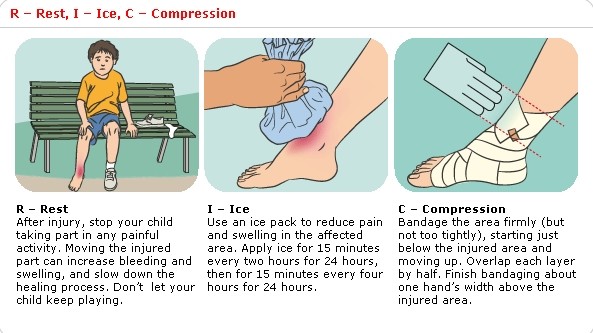
Whether it’s a sprain or a twist, applying r. I. C. E. R. Will help as a first aid measure. The r. I. C. E. R. Rule (rest, ice, compression, elevation, referral) will help with sprains, minor bruises, muscle soreness, and painful movement. What it is: r. I. C. E. R. Is the golden standard and recommended formula for recovering from injury. What it does: it prevents further injury to the damaged body part, immediately after the injury. If applied right away and correctly, r. I. C. E. R. Can help to greatly reduce the recovery time. Act fast: the most important time frame in treating acute sports injuries is in the first 24-48 hours after they have occurred.
Ucl tears used to be considered career-ending injuries for pitchers and other athletes. Today, physicians and athletic trainers can diagnose and treat these injuries well enough that athletes can recover fully. The length of your recovery time will depend on the severity of your injury and whether you had surgery on the ligament. A standard recovery time following tommy john surgery is at least four months to return to throwing activity. It routinely takes professional athletes at least nine months and often more than a year before they can return to sports. If you have a ucl injury and want to return to sports, you will need to undergo physical therapy to regain strength and stability in your arm.
Who might get a sports injury?
Your doctor may ask some of the following questions:
do you exercise or play sports?
was the pain caused by an injury?
do you experience any swelling, instability or locking of the knee?
are you experiencing symptoms in other areas, or just in your knee?
have you ever had knee pain before? if so, do you know what the cause was?.
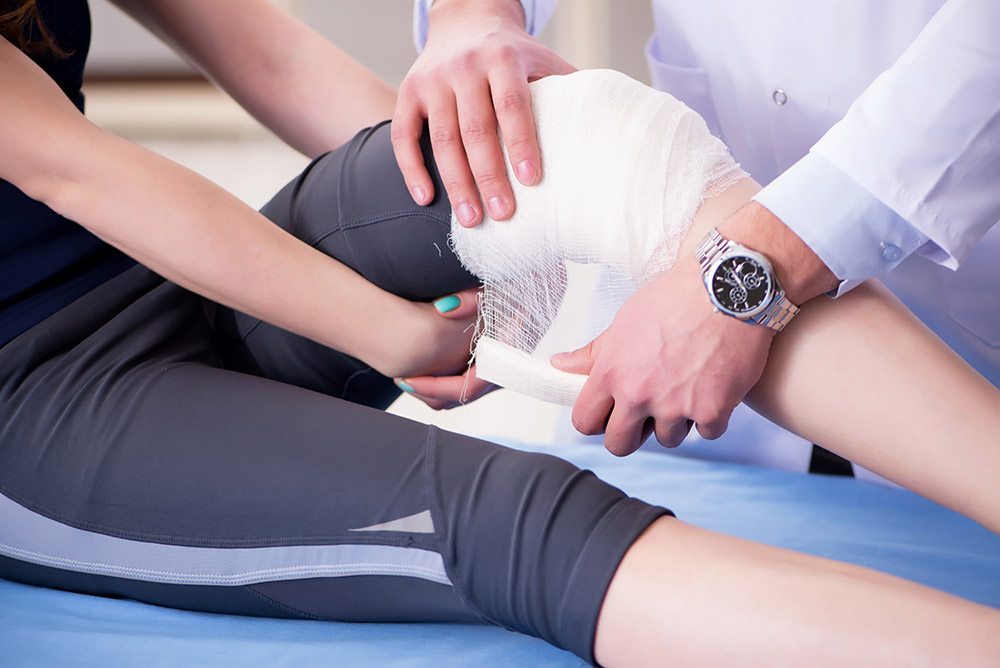
A lateral collateral ligament (lcl) tear is a knee injury that causes pain, swelling and bruising. Your lcl is a band of tissue located on the outside of your knee (the side that faces away from your body). This tissue connects your lower leg bones to your thigh bone. It stops your knee from bending outward abnormally. Athletes in sports like football, soccer and skiing are at higher risk for lcl tears, which can prevent you from competing. However, with time, treatment and rehabilitation, you should be able to play some sports again.
Scheduled appointments mean reduced or no wait time schedule an appointment for vaccinations, sports or work physicals, covid-19 testing, or a visit for a minor injury or illness. Walk-ins are always welcome scheduling an appointment online is not available at urgent care locations in central pa. And western maryland. Schedule an appointment.
1. Make sure you warm up before sport or exercise. Your warm up should include dynamic stretches, light cardio and sports specific drills. 2. Daily stretching of the inner and outer thigh muscles. Your hamstrings should also be stretched to ensure good muscle balance. 3. Strengthening of the inner and outer thigh muscles to ensure they are able to cope with the demands of your sport. 4. Sports specific drills to practice change of direction and kicking, which commonly cause groin strains. This will help the muscles to adapt to performing these movements. 5. Avoid over-training and make sure to get enough rest between training sessions to prevent your muscles from fatiguing.
What are the most common sports injuries?
Soft tissue injuries to the muscles, tendons and ligaments are common reasons for trips to urgent care or your doctor. Sports injuries , strain and overuse are leading causes of soft tissue injuries, which include bursitis , tendinitis and contusion (bruises). Most of the time, home remedies heal the problem and get you back on your feet. When you need advanced orthopedic care for soft tissue damage, our nationally recognized orthopedic experts can help. Goshen orthopedics offers treatment for soft tissue injuries in goshen and other communities in elkhart county. Call (574) 534-2548 to schedule an appointment.
What causes sports injuries?
Soft tissue injuries (sti) are when trauma or overuse occurs to muscles, tendons or ligaments. Most soft tissue injuries are the result of a sudden unexpected or uncontrolled movement like stepping awkwardly off a curb and rolling over your ankle. These are injuries our physiotherapists see every day at our edinburgh physiotherapy and sports injury clinics. However, soft tissue damage can also occur from excessive overuse or chronically fatigued structures, especially muscles and tendons. For example, if you were to do a long run when already fatigued (from a previous run or exercise), then it is possible to cause trauma or a strain to key running musculoskeletal structures like your calf muscles or achilles tendons, also see: “how to prevent running injuries”.
Injuries on the sports field can sometimes lead to serious and long lasting damages if not treated properly. Luckily, our orthopaedic specialists are here to help with effective treatment plans and postoperative physiotherapy services. Taking part in any form of sport can be a great fitness activity to keep us physically and mentally healthy. Playing sports can lead to better sleep, improve lung and heart function and is a perfect stress reducer. Minor wounds like cut and scrapes are a natural part of playing sports, however, if you are not careful enough, you can also experience serious injuries that are detrimental to your health.
Spinal cord injury (sci) leads to long-term dysfunction and lifelong disability. There are hundreds of thousands of new patients suffering an sci each year worldwide, and ninety percent of these scis are caused by traumatic events, including traffic accidents, falling, sports injuries, violence, etc. ( ashammakhi et al. , 2019 ). Sci interrupts the neural connections between the upper center and the spinal cord, leading to devastating and permanent neurological impairment, including sensory and motor disability, abnormal reflexes, and autonomic disorders ( ehrmann et al. , 2020 ; ong et al. , 2020 ). Sci not only seriously affects the quality of life and life span of patients, but it also leads to psychological and emotional disorders and social phobia, with enormous impact and heavy economic burden on the family as well as the social health care system ( alizadeh et al.
Treatment for Serious Injuries
Home, sweet home. There’s no place like it. You may feel your most comfortable when you’re at home, but be aware there are dangers in your home, too. You may get a cut from a kitchen knife or other household tool. Perhaps you’ll burn your hand when taking something out of the oven or handling a hot pan on the stove. Most of the time, these common household injuries are minor. That means you can treat them at home without seeing your doctor. The items you need for these treatments can be found in a home first aid kit.
Treatment for a sprained ankle depends on the severity of your injury. The treatment goals are to reduce pain and swelling, promote healing of the ligament, and restore function of the ankle. For severe injuries, you may be referred to a specialist in musculoskeletal injuries, such as an orthopedic surgeon or a physician specializing in physical medicine and rehabilitation.
An injury is any physiological damage to living tissue caused by immediate physical stress. An injury can occur intentionally or unintentionally and may be caused by blunt trauma , penetrating trauma , burning , toxic exposure , asphyxiation , or overexertion. Injuries can occur in any part of the body, and different symptoms are associated with different injuries. Treatment of a major injury is typically carried out by a health professional and varies greatly depending on the nature of the injury. Traffic collisions are the most common cause of accidental injury and injury-related death among humans. Injuries are distinct from chronic conditions , psychological trauma , infections , or medical procedures , though injury can be a contributing factor to any of these.
Just as no two people are exactly alike, no two brain injuries are exactly alike. This is important to keep in mind when addressing brain injury treatment. For some, brain injury is the start of a lifelong disease process. Brain injury requires access to a full continuum of treatment and community-based supports provided by appropriately educated clinicians serving on an interdisciplinary team. Treatment can be acute or post-acute. Acute treatment involves care that an individual receives in the hospital immediately after their injury, while post-acute care encompasses long-term treatment for persisting side effects of brain injury. The type of care a survivor receives will depend on the severity of the injury, the symptoms they present, and the survivor’s insurance plan.
Comments
Post a Comment