Updated by stephanie thomas
need a new diy prepper project to try out? we’re always looking for new diy projects and new things to try to improve our skills. So we made a list of 54 diy projects you can try. Also from reading the list, you might get a few diy prepping ideas for other prepper projects or diy
survival
projects. I know i get tons of ideas that flood my head as i’m learning new ways to make things.
 Preppers are do-it-yourself’ers and for good reasons. It saves you loads of cash and it makes us more self-reliant.
What is Prepping and What is a Prepper?
By david
this article may contain affiliate links.
 We may earn a small commission if you purchase via these links. The hundred is a sci-fi television series depicting what happens after a nuclear apocalypse. Some survivors landed in space, others in caves, and others survived by living in a giant, underground bunker completely furnished with everything you could possibly need for years and years to come. They were ultimate preppers. If you’re new to prepping , you’re probably not going to want to run out and buy a bunker or complete solar array. But if you want to know how to start prepping for 2023 – you want to start with the basics.
In 2013/14, my wife and i became fearful of a phenomenon that might have led to a civilizational collapse, and so we started ‘prepping’. ‘preppers’ or ‘doomsday preppers’ are essentially any people who take it into their own hands to prepare for the survival of their group or family in the face of a predicted life-threatening catastrophic event. We were amateurs, but nonetheless, with prepper manuals in hand, we bought a tiny shack in the middle of nowhere and tried to grow food we could eat so that we wouldn’t have to rely on stores, aka civilisation. After a year our garden failed to become self-sustaining but the novel how to survive everything was born and we learned a lot about the prepper lifestyle and philosophy along the way.
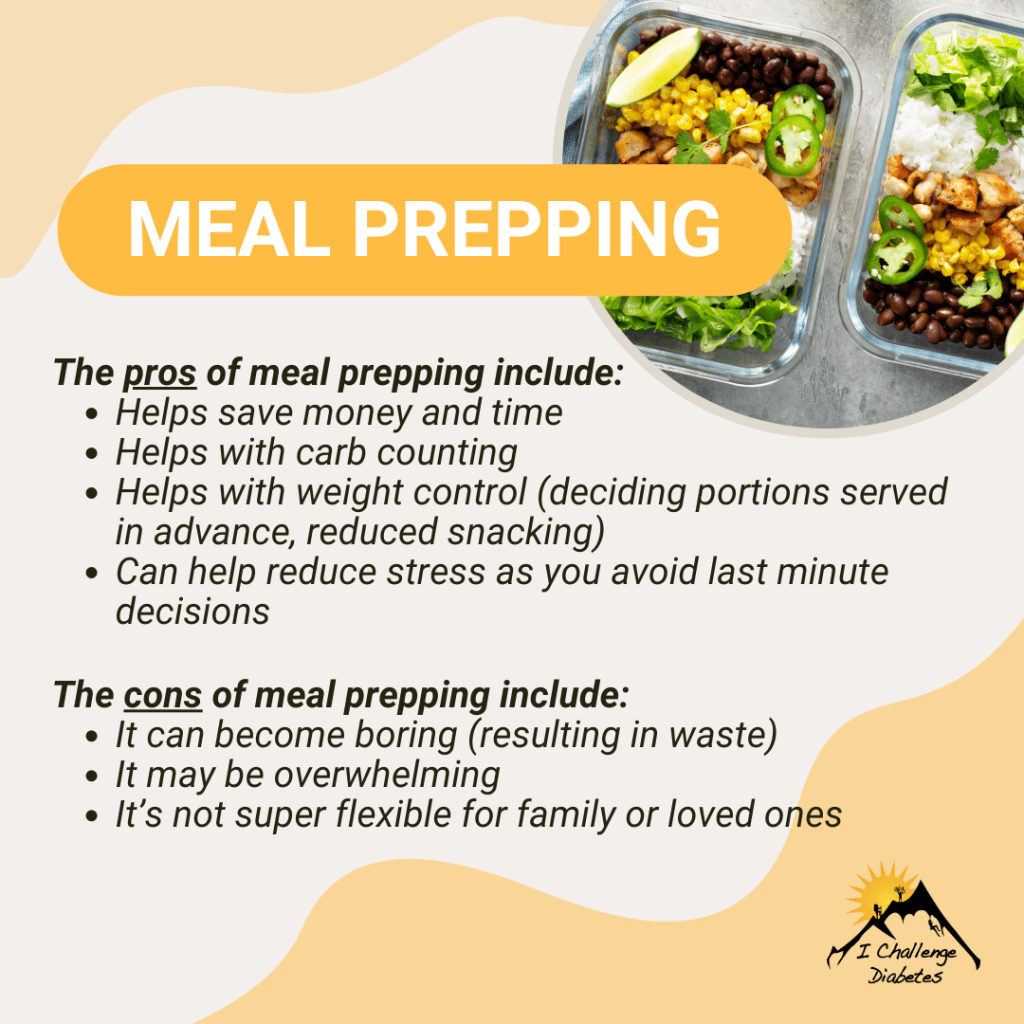
Food prep has gained popularity in the last few years, and for a good reason. Prepping means less money spent on food, less waste, and healthier options at your fingertips. Putting the time into researching, planning, cooking and storing your meals can save you plenty of time and ensure you’re eating satisfying and nutritious meals. If you are a meal prepper, it’s essential that you follow the basics of food safety before, during and after your prep. This starts at the supermarket and ends when you eat your food.
A Brief History of Preppers
The coronavirus pandemic is the epitome of what preppers call a “s*** hits the fan” event. As the country braced for lockdowns and began seeing shortages of crucial supplies last march, people found themselves woefully unprepared. But there was a time in american history when many more civilians were ready for disaster. In 1979, when alex bitterman was in second grade, sister mary jane gathered her students in the gym of their catholic school. In front of her sat a three-foot-tall gray barrel and she asked the students to guess what was inside. A clown, they thought. Or snakes? the nun opened it and pulled out a wool blanket, a plastic water container, and a large tin of saltines.
2. Prepping for 30 Days
Meal prepping and planning may sound daunting, but it doesn’t have to be. It can be as easy as thinking ahead and sketching out what you want to eat for the next several days before making a grocery list. Or it can be as structured as spending a weekend afternoon prepping and portioning out single servings of the upcoming week’s breakfasts and lunches. “it’s a shift in prioritization of ‘i’m going to do this work on the front end to be kind to my future self,’” says ginger hultin, ms, rdn, a seattle-based registered dietitian nutritionist, owner of champagnenutrition and author of anti-inflammatory diet meal prep.
4. Prepping for a Year and Beyond
Ncii is excited to join the progress center for prepping for progress 2023! this 3-day free virtual event is for general and special educators, local leaders, professional development providers, faculty, and other stakeholders who support students with disabilities. We will focus on filling your supply closet with the information, tools, and resources you need to start the school year to ensure high expectations, access, and positive outcomes for students with disabilities. August 2–3 will feature a keynote address, panels, strand sessions, networking opportunities, and concurrent sessions on a range of topics related to developing and implementing high-quality educational programming.
Comments
Post a Comment